
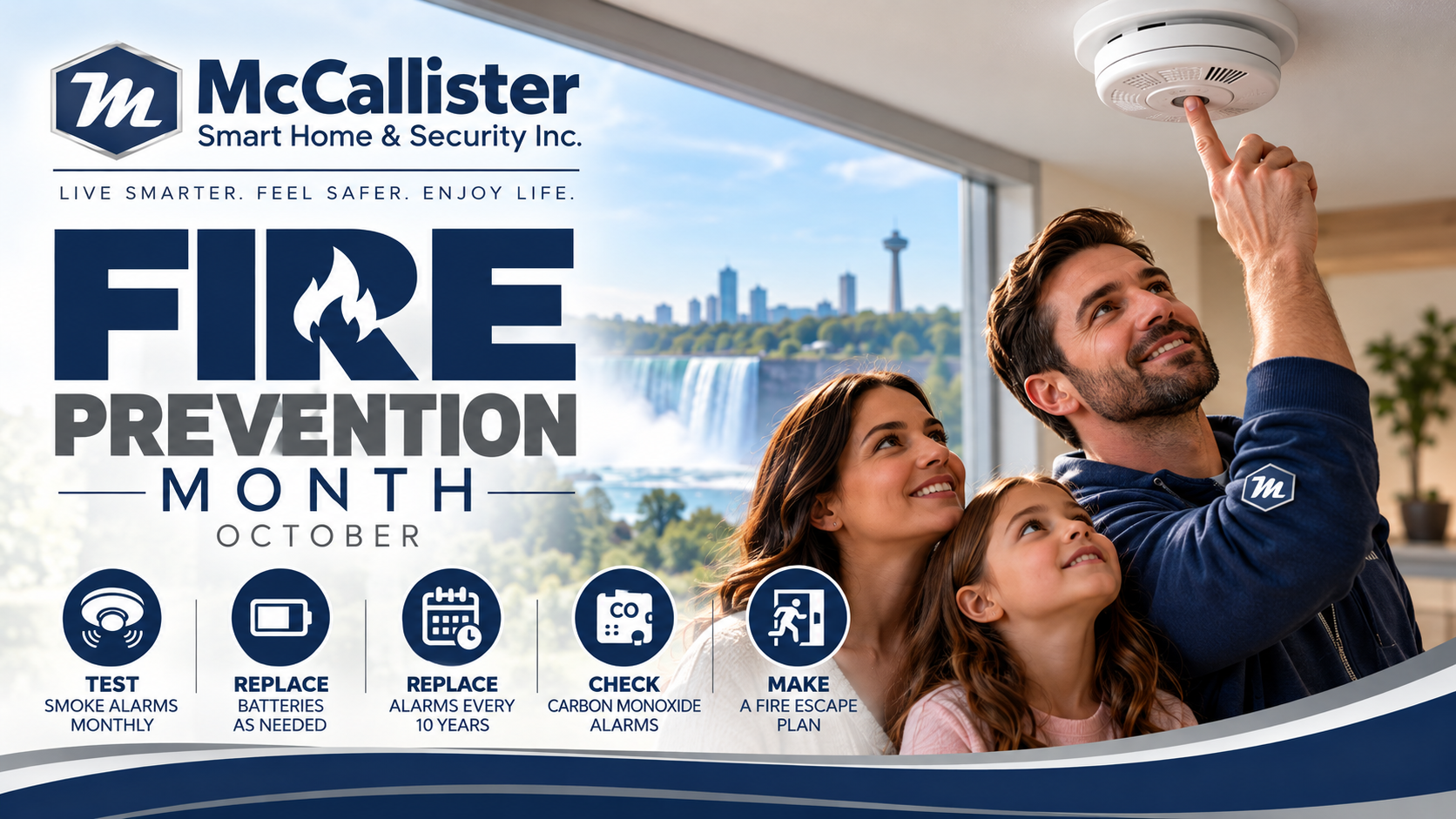
Fire Prevention Month, October 2026
Fire Prevention in Niagara: Check Your Alarms. Practise Your Escape.
October 2026 · McCallister Security Inc. · Sources checked October 8, 2026
Fire safety starts with a few practical actions: working alarms, safer everyday habits and a household that knows what to do in an emergency. This October, take time to check the protection in your Niagara home.
Fire Prevention Week runs October 4–10, 2026. This year’s theme is “Charge into Fire Safety: Safe Charging Is a Superpower,” highlighting safer charging of lithium-ion batteries. [1]
If there is a fire, get out, stay out and call 911 from a safe location. If your CO alarm sounds, get everyone outside immediately and call 911 from outside. [2] [3]
Start with your smoke alarms
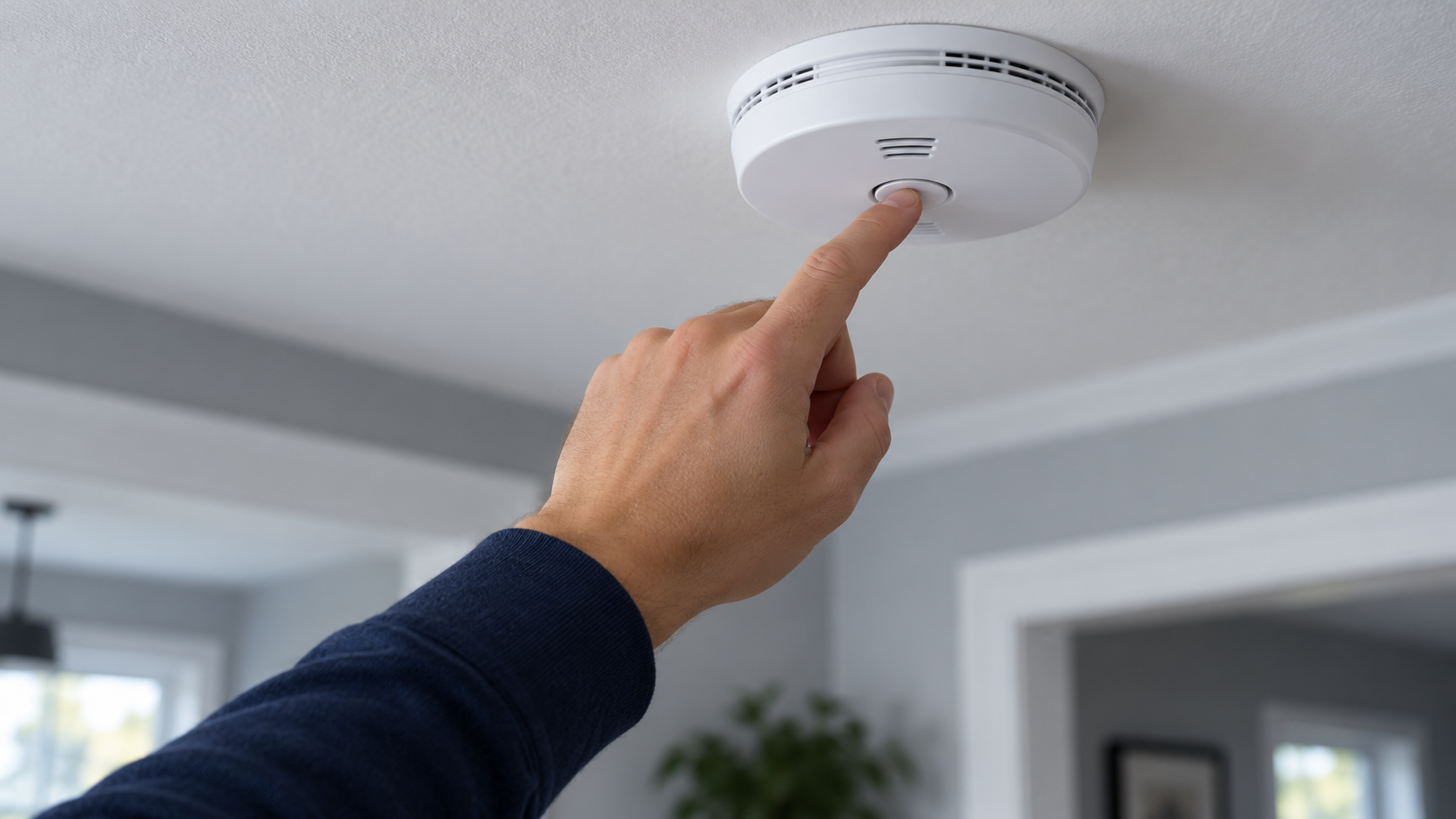
Ontario requires working smoke alarms on every storey of a home and outside all sleeping areas. Niagara Falls also recommends alarms inside bedrooms and considering interconnected alarms, so activation of one sounds the others. Follow the manufacturer’s placement instructions. [4]
- Test every month. Use each alarm’s test button according to its instructions.
- Check the age. Replace smoke alarms at 10 years, or sooner if the manufacturer specifies or the alarm fails to work.
- Maintain the batteries. For alarms with replaceable batteries, Niagara Falls advises replacement at least annually and when the low-battery warning sounds. Follow the instructions for the particular alarm. [4]
- Clean as directed. Health Canada recommends following the manufacturer’s cleaning instructions and checking for Canadian certification marks on both the alarm and packaging. [5]
Homeowners are responsible for installing and maintaining smoke alarms. Landlords must ensure their rental properties comply. Tenants should report missing or faulty alarms to their landlord and must not remove batteries or tamper with alarms. [4]
CO alarms: Ontario’s requirements changed in 2026
Since January 1, 2026, qualifying houses need CO alarms on every storey, including levels without bedrooms, and adjacent to each sleeping area. This applies to houses with a fuel-burning appliance, fireplace or attached garage, and houses heated by air from a fuel-burning appliance located outside the home. [3]
Apartment and condominium requirements depend on the unit’s appliances, proximity to service rooms or garages, and heating arrangement. Check Ontario’s guidance or ask your local fire department about your building. [3]
Test CO alarms monthly. Replace the alarm according to its manufacturer’s instructions; do not assume every CO alarm has the same lifespan. Check the manual to distinguish low-battery, end-of-life and emergency signals. [3]
Know your way out before an emergency

Draw your home’s floor plan and identify two ways out of each room where possible. Include anyone who will need help escaping and choose an outdoor meeting place. [6]
Niagara Falls recommends practising your escape plan twice a year, once in daylight and once at night. Once outside, stay outside. Tell firefighters if someone is missing; do not re-enter for belongings or pets. [2]
Charge devices safely
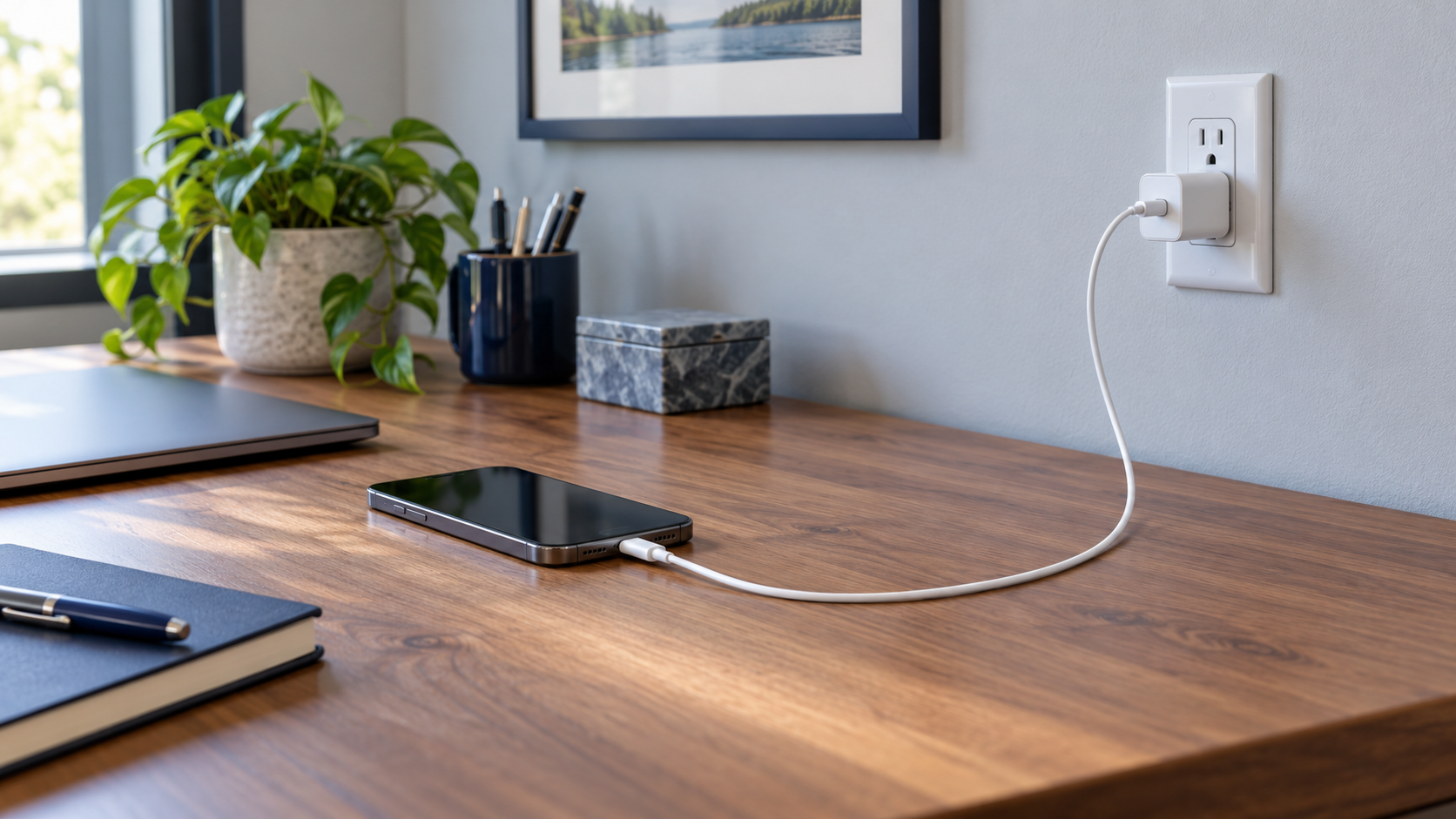
Phones, laptops and rechargeable tools make life easier, but damaged or improperly charged lithium-ion batteries can create a fire risk. [1]
- Use the supplied charger or a replacement approved by the manufacturer.
- Charge on a hard, flat surface, away from beds, couches and pillows.
- Unplug when charging is complete.
- Stop using a device that becomes unusually hot, swells, smokes or develops a strange smell. [1]
Reduce everyday fire risks
Stay in the kitchen while cooking and turn off the stove if you must leave. Keep towels, oven mitts and other combustible items away from the stove. Never smoke in bed or extinguish cigarettes in plant pots. Keep space heaters at least one metre from anything that can burn. [6]
A local reminder: prevention reaches Niagara homes
Niagara Falls Fire Department reports that its Wake-Up Campaign visits approximately 1,000 homes each year to promote smoke alarms and home escape planning. This is a Niagara Falls prevention-program figure, not a Niagara-wide fire or casualty count. [2]
Your October fire-safety checklist
- Test every smoke and CO alarm.
- Check each alarm’s manufacture or replacement date.
- Follow its battery and cleaning instructions.
- Check alarm coverage on every floor and near sleeping areas.
- Practise your household’s escape plan.
- Review where and how you charge rechargeable devices.
Have questions about your home’s alarm system?
Contact McCallister Security to discuss your existing security alarm system and compatible monitored smoke or CO detection options. For questions about required alarm placement or Fire Code compliance, contact your local fire department.